
133. THE SCIENCE BEHIND 'REPEATED SPRINT TRAINING IN HYPOXIA (RSH)' BY DR RAPHAEL FAISS

Hi there!
For this KIW Research Note we have another ’new’ expert: Dr Raphael Faiss!
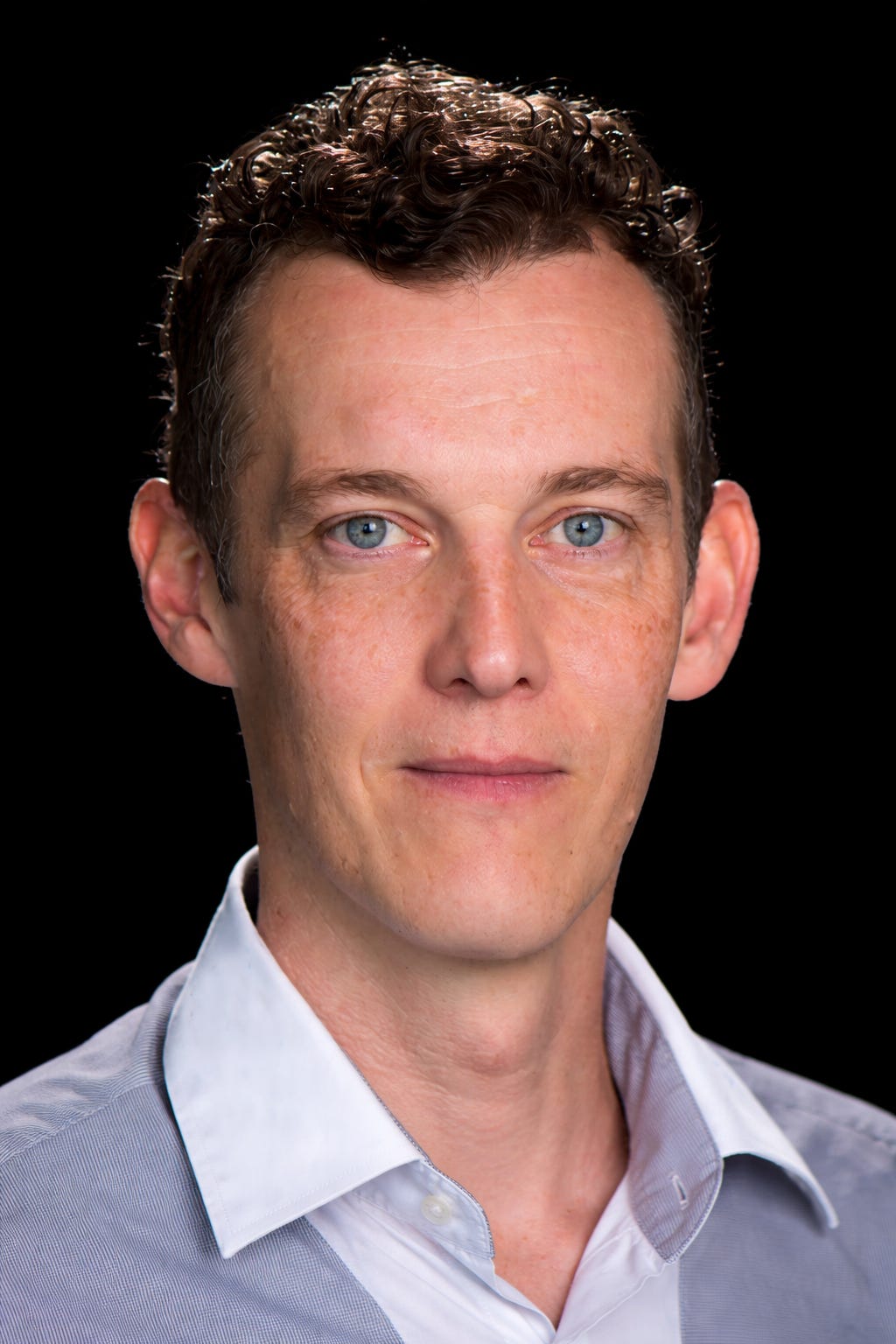
Dr. Raphael Faiss is senior lecturer in exercise physiology, nutrition and anti-doping sciences at the University of Lausanne (Switzerland). He has investigated altitude training strategies for the past 15 years, also working as scientific consultant for the Swiss cycling national teams preparing track athletes and mountain-bikers for the Olympic games through innovative approaches (including hypoxic and heat training). You can find him at @wattsnow on X.
Here we Learn!
Nowadays, many athletes and trainers include altitude training in different forms to their preparation towards peak performance. Traditionally, athletes stay for weeks at an altitude training camp to increase the total amount of haemoglobin in their blood to improve its ability to deliver oxygen to the working muscles for aerobic performance. The technological development of altitude simulation devices and chambers now allows to train with simulated hypoxia even on your indoor trainer (“hypoxia” means with a lesser amount of oxygen available).
In recent years, several scientists have tested numerous training strategies to use hypoxia as an additional stress to maximize different training responses, not only related to the gains linked to an increase in haemoglobin mass.
In this scenario, in 2013, I published a study with cyclists performing all-out sprints (efforts with the maximal intensity possible) interspersed with incomplete recoveries (to challenge the ability of the body to respond and trigger adaptations) (1).
The repeated-sprint training in hypoxia (RSH) strategy was born.
After a decade of development and rather “secret” use by athletes and coaches wanting to keep a competitive edge, RSH is now more widely used, and while it can definitely not be considered miraculous, certainly remains effective. Conceptually, RSH is defined as the repetition of several short (≤ 30 s) “all-out” exercise bouts in hypoxia interspersed with incomplete recoveries (exercise-to-rest ratio < 1:6).
To put things in perspective after 10 years, our group of University of Lausanne (Switzerland) with Prof. Millet recently (2024) published on Journal of Sport Sciences a comprehensive review summarizing the performance gains and the physiological rationales of RSH (2). Here below I will give you a summary about it.
